
The Allure of Risk and Reward
Casino gambling is often characterized by the excitement of potentially winning big, which is a fundamental aspect of human psychology. The thrill of risking money for the chance to gain more creates a powerful emotional cocktail that can be incredibly enticing. This concept of risk and reward taps into the brain’s reward system, releasing dopamine when players win, which reinforces the desire to continue playing. Moreover, the appeal of casinos not on gamstop can add to this excitement as players seek novel experiences. This immediate gratification can lead to a cycle where individuals chase that high, often leading to increased betting behaviors.
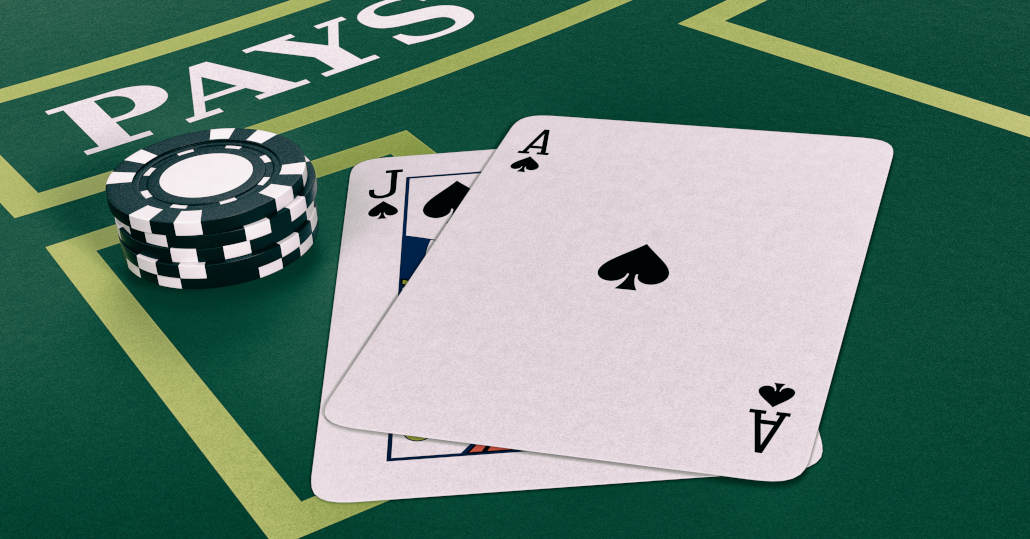
The anticipation and adrenaline rush associated with gambling can also be appealing. Many gamblers experience a heightened sense of arousal leading up to the reveal of a winning or losing outcome, which can be an addictive experience in itself. This psychological stimulation is akin to roller coasters or extreme sports, where the thrill of uncertainty and reward can drive individuals to seek out more gambling opportunities.
The Role of Cognitive Biases
Cognitive biases significantly influence gambling behaviors. For instance, the gambler’s fallacy, which is the belief that past events affect future outcomes, plays a vital role in how players make decisions. Gamblers may think that after a series of losses, a win is “due,” leading them to place additional bets in hopes of overcoming previous losses. This misjudgment of probability can perpetuate gambling habits, often resulting in further financial losses.
Similarly, the illusion of control is another cognitive bias at play. Many gamblers believe they can influence the outcome of games through skill or strategy, especially in games like poker or blackjack. This belief fosters a sense of empowerment, encouraging players to continue betting even when the odds are not in their favor. The interplay of these cognitive biases creates a complex psychological landscape that keeps individuals engaged with gambling activities.
The Impact of Social and Environmental Factors
Social influences greatly affect gambling behaviors as well. Many individuals are introduced to gambling in social settings, where the presence of friends or peers can amplify the excitement. The communal atmosphere of casinos, combined with the celebratory mood surrounding wins, creates a powerful incentive to gamble. People are often motivated to join in for the sake of social bonding and shared experiences, making it difficult to recognize the potential for harm.
Moreover, the environment of a casino itself is designed to enhance the gambling experience. Bright lights, enticing sounds, and complimentary drinks contribute to an immersive atmosphere that can lead to extended playtime. This sensory overload can diminish a player’s awareness of time and money spent, reducing their ability to make rational decisions about their bets. The design of these spaces is intentional, aiming to keep players engaged and betting longer.
The Emotional and Psychological Repercussions
While the thrill of gambling can be captivating, it can also lead to significant emotional and psychological repercussions for individuals. Many gamblers find themselves facing anxiety, depression, and stress, often stemming from financial losses. The pressure to chase losses can create a vicious cycle, where the emotional toll can drive individuals to gamble even more, exacerbating their situation.
Further complicating matters, individuals struggling with gambling addiction may experience strained relationships with family and friends. The secrecy and shame associated with compulsive gambling can isolate individuals, leaving them feeling alone in their struggles. Understanding these emotional challenges is crucial for recognizing when gambling becomes problematic, allowing for proactive steps towards seeking help and support.

Ensuring a Safe Gambling Experience
This website is dedicated to ensuring a safe gambling environment by offering essential security services that protect users from online threats and maintain the integrity of their data. Recognizing the psychological risks associated with gambling, we focus on providing a secure browsing experience, ensuring legitimate users can access resources without encountering restrictions due to malicious activities.
By prioritizing user safety, we aim to foster a responsible approach to gambling, encouraging individuals to be aware of their behaviors and seek assistance if necessary. Our commitment to security not only protects users but also supports a healthier gambling culture that recognizes the balance between enjoyment and responsibility.